Capability
Is supplier and process fit supported by evidence?
Buyer-side supply chain management in China
We manage the China side of your supply chain — from supplier development and procurement to production, quality, and delivery. You focus on your business. We manage the China side.
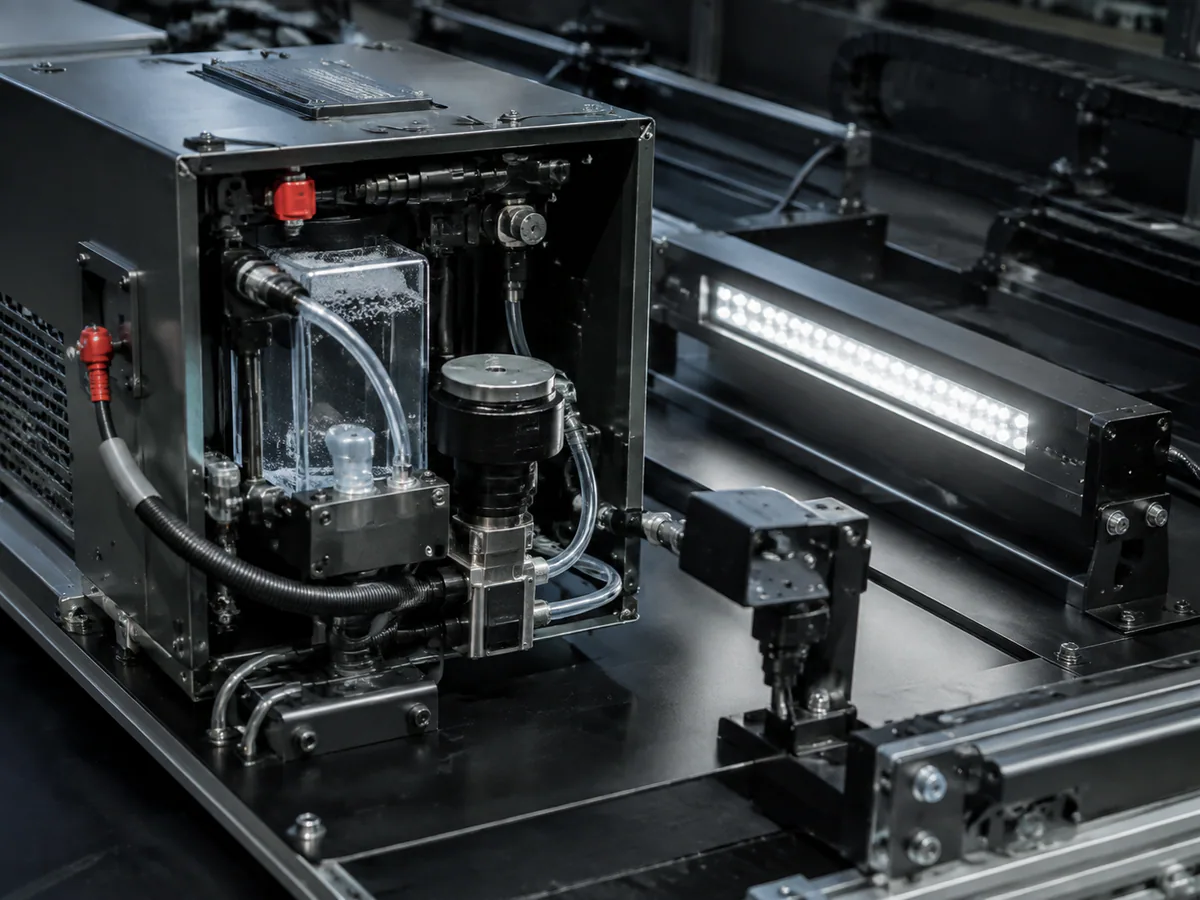
Illustrative image
01 · The control gap
We expose assumptions early, verify capability, and keep the next buyer decision visible.

Is supplier and process fit supported by evidence?
Are drawings, interfaces, and acceptance rules clear?
Are production, quality, and delivery ready for the next decision?
02 · Capability
Each discipline turns supplier activity into evidence, decisions, and owned next actions.
Find capability fit — then verify it.
02Compare the commercial logic, not price alone.
03Close interpretation gaps before they reach production.
04Track the milestone, verify the claim, close the exception.
05Make acceptance criteria and issue closure visible.
06Keep suppliers, actions, risks, and handoffs on one decision path.
03 · Visibility
An illustrative control route — not a live customer portal.
Buyer-side control stage
Input open
Under review
Evidence requested
Decision gate
In control
Action needed
Ready when verified
04 · Decision evidence
We turn supplier activity into a short, visible decision chain.
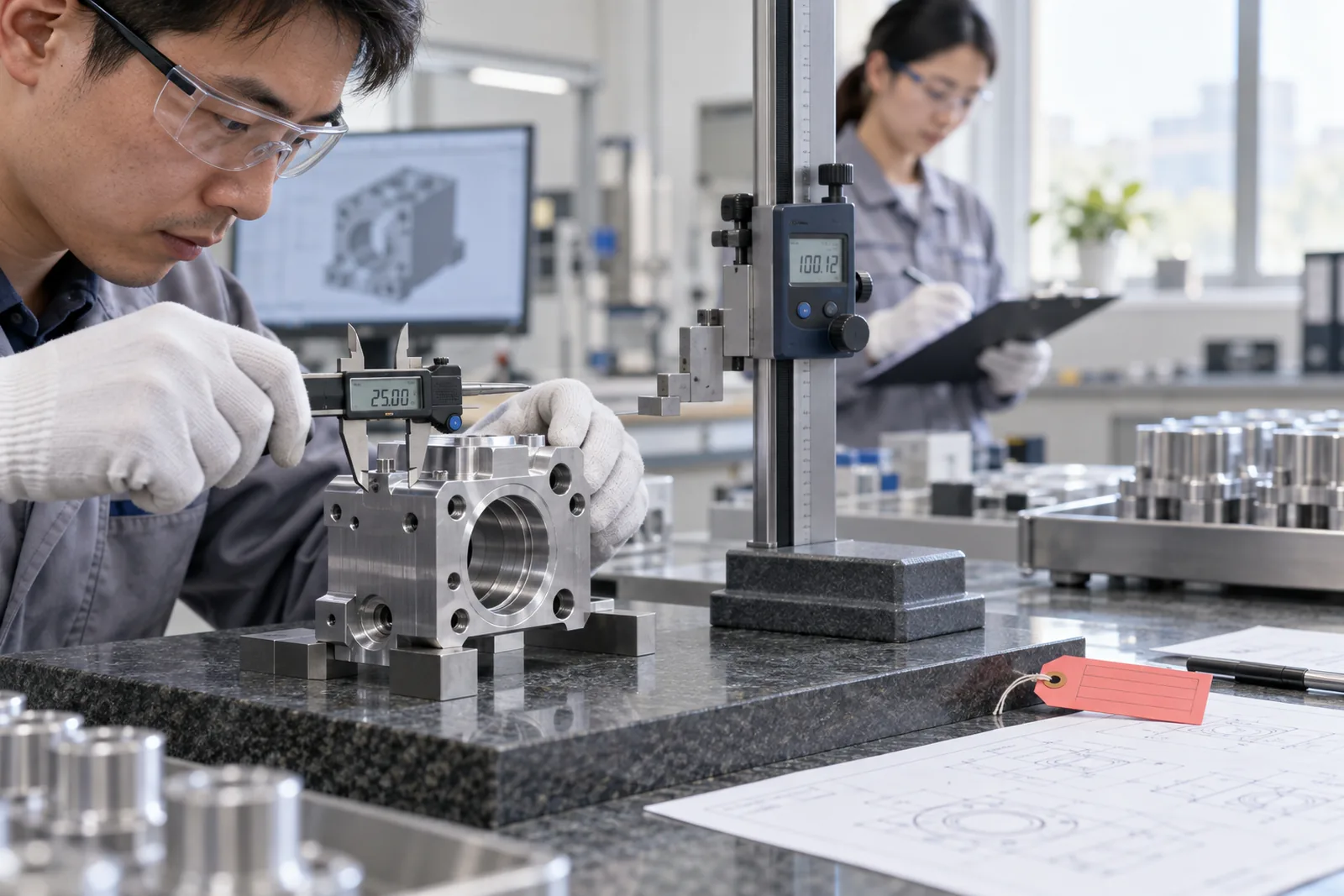
Normalize scope and assumptions before price becomes the answer.
Match every status claim to evidence and an owned next action.
Release only after containment and corrective action are verified.
05 · Product experience
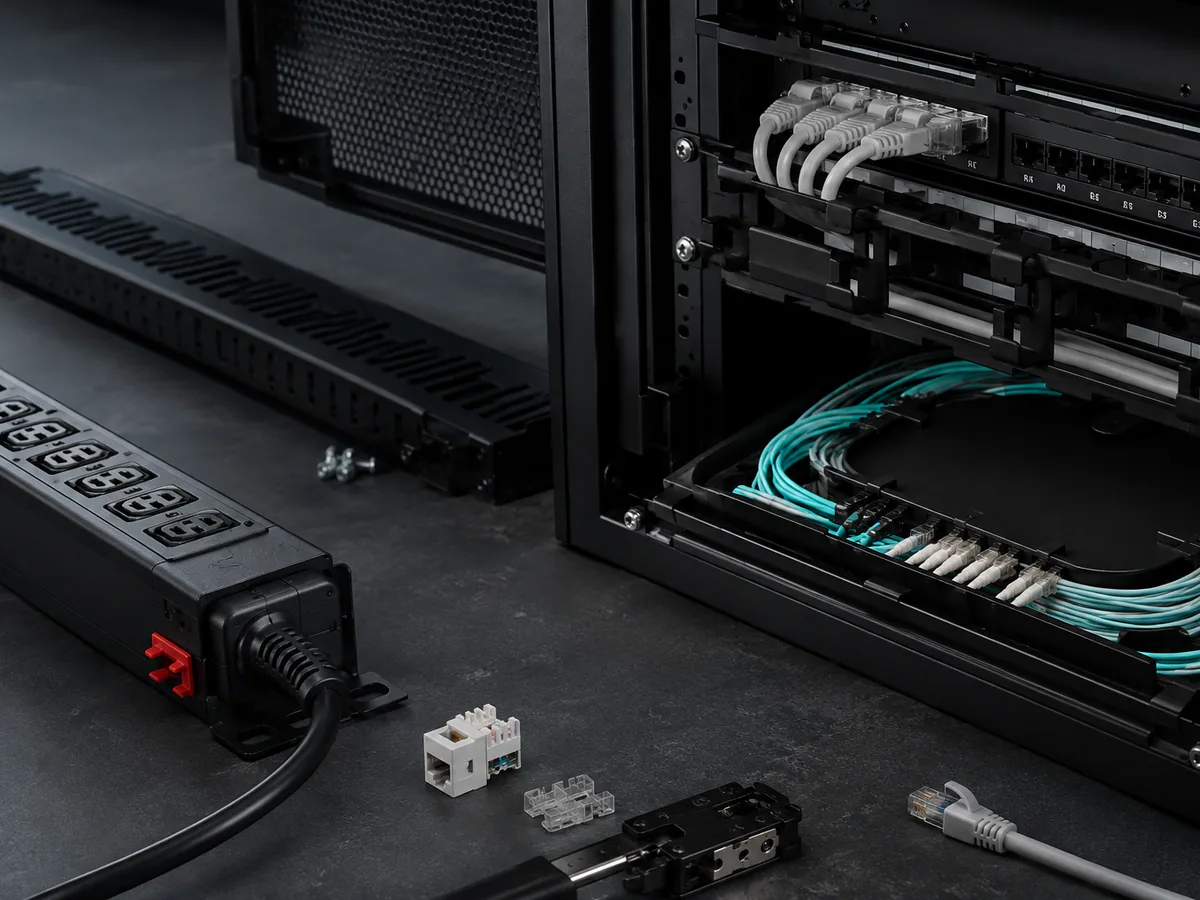
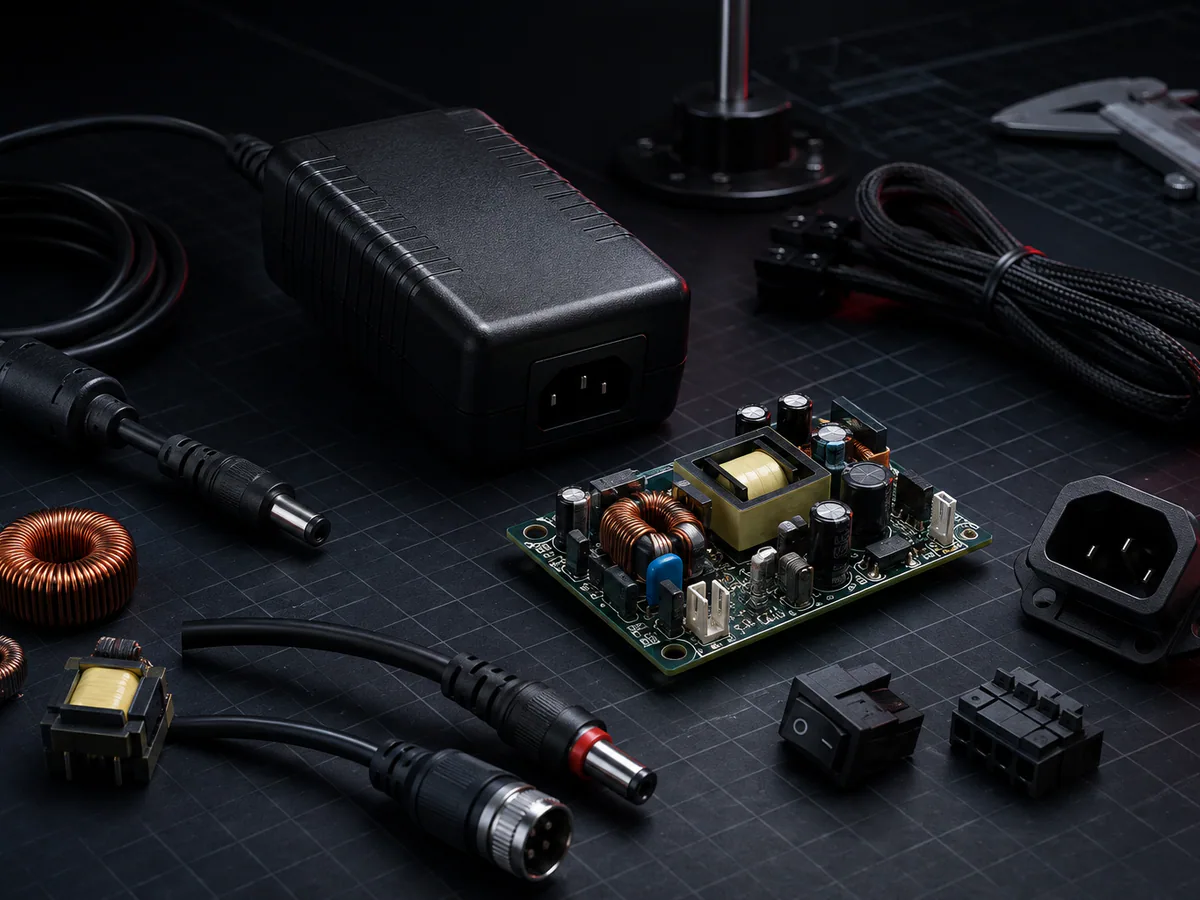
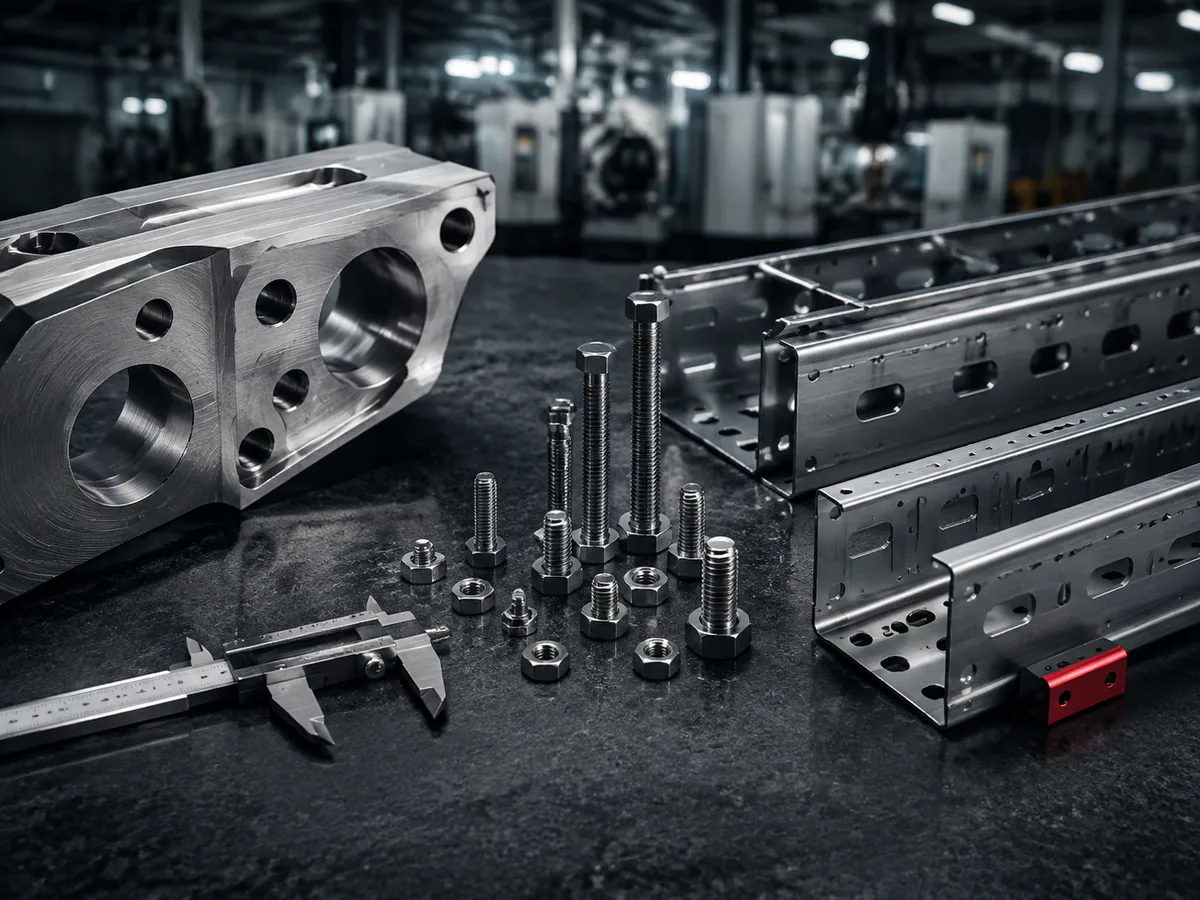
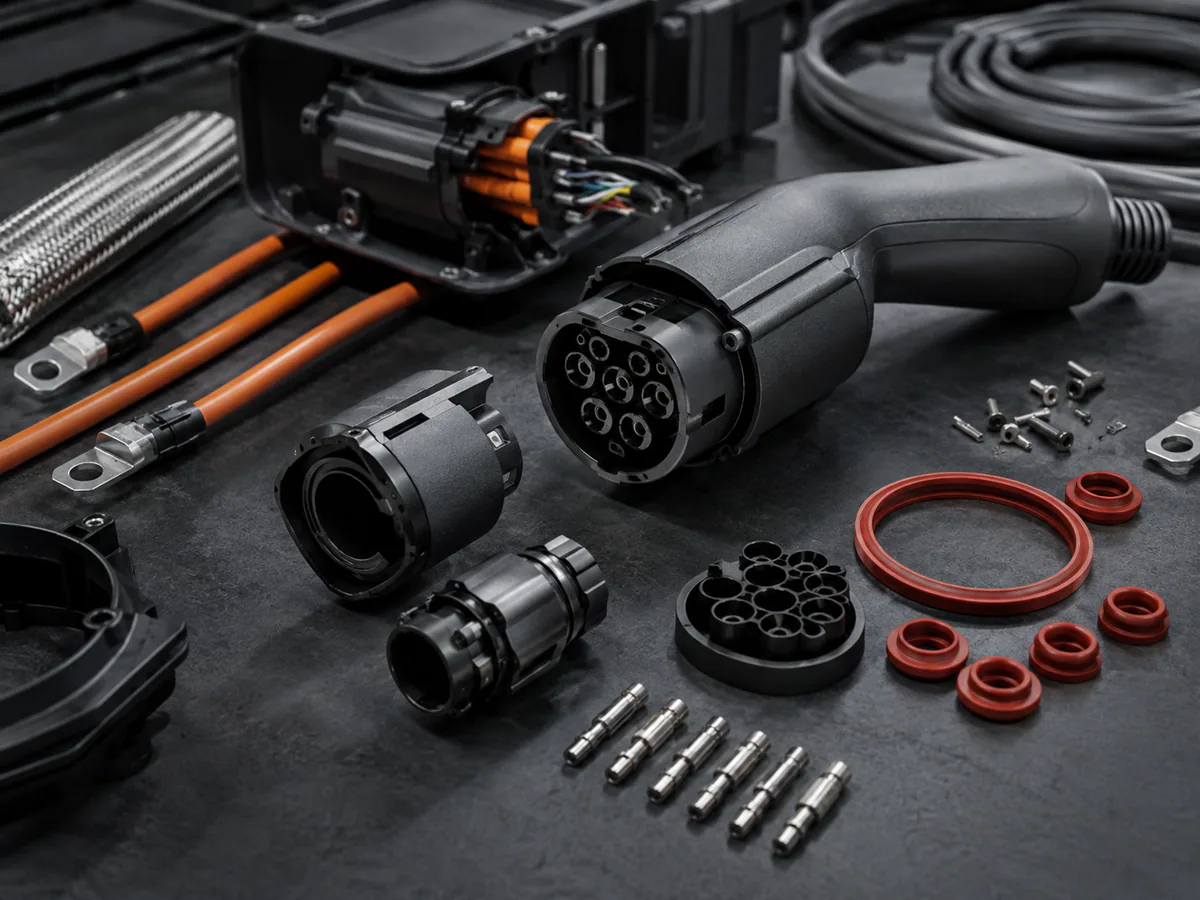
These are experience areas, not a fixed product catalogue. The requirement determines the supplier and control plan.
06 · Cases

A qualified benchmark reframed the negotiation without choosing price alone.
Commercial Judgment ↗Regional adapter details were verified before production release.
Technical Coordination ↗A focused test reduced uncertainty before the next investment.
Testing & Decision Gates ↗07 · Method
One route connects clarification, evidence, action, and delivery.
Start with the decision
Send us the requirement, the open risk, or the decision you need to make. We will start with what must be clarified.