Industries · Product Experience

Product context matters. Control logic matters more.

Our experience helps us ask better supplier, technical, production, and quality questions. It is not a claim that every product follows the same sourcing route.

01Networking & Telecom 02Electronics & Power 03Industrial & Mechanical 04New Energy 05Specialized Equipment
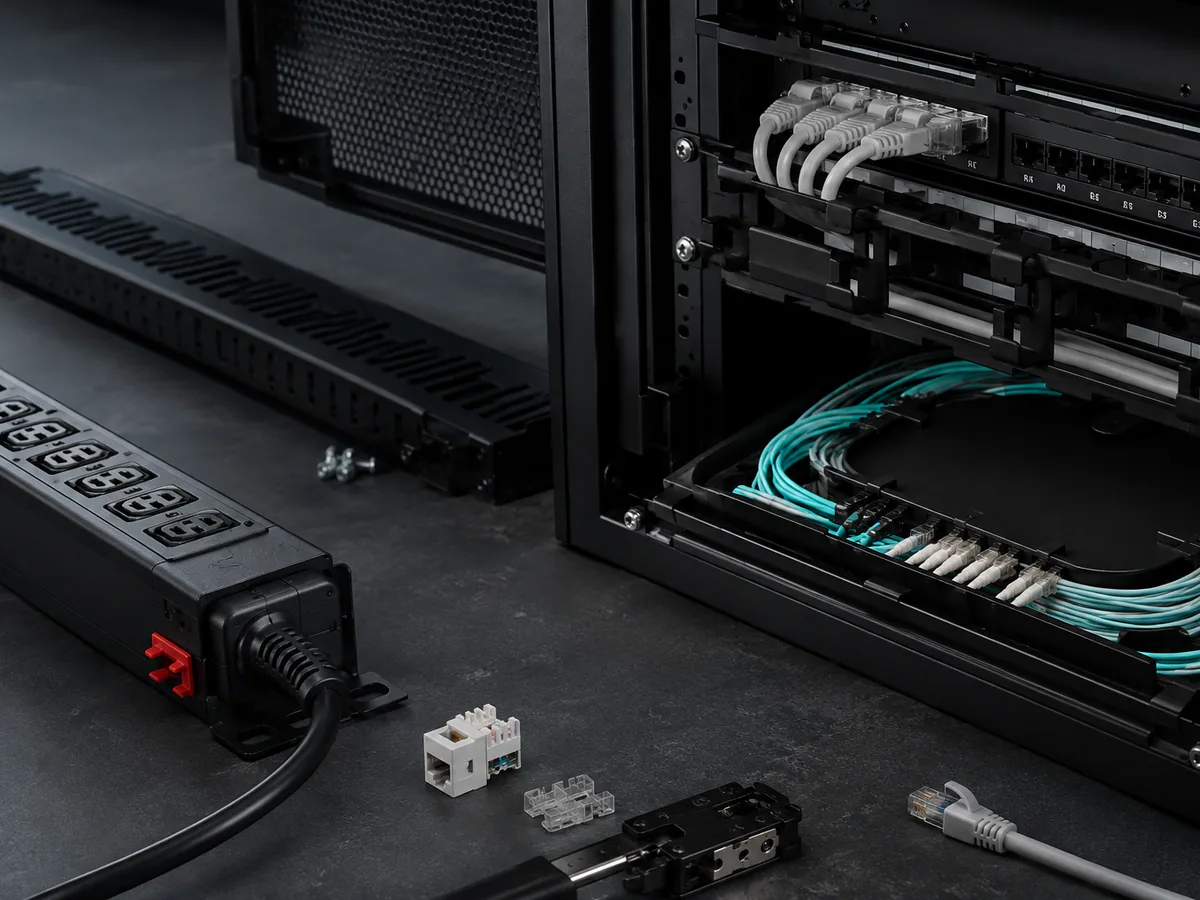
Illustrative networking and telecom equipment composition with cabinets, cabling, and components. Illustrative visual
01

Networking & Telecom

Product Experience

  • Network cabinets and rack systems
  • Fiber and copper connectivity components
  • Cable management and power distribution components

What We Manage

  • Configuration and compatibility
  • Material and finish interpretation
  • Assembly, labeling, and packaging requirements

Typical Risks

  • Variant confusion
  • Interface mismatch
  • Uncontrolled substitutions
  • Transit damage

Related evidenceConfiguration matrix · Sample review · Inspection record

Related caseRequirement clarification

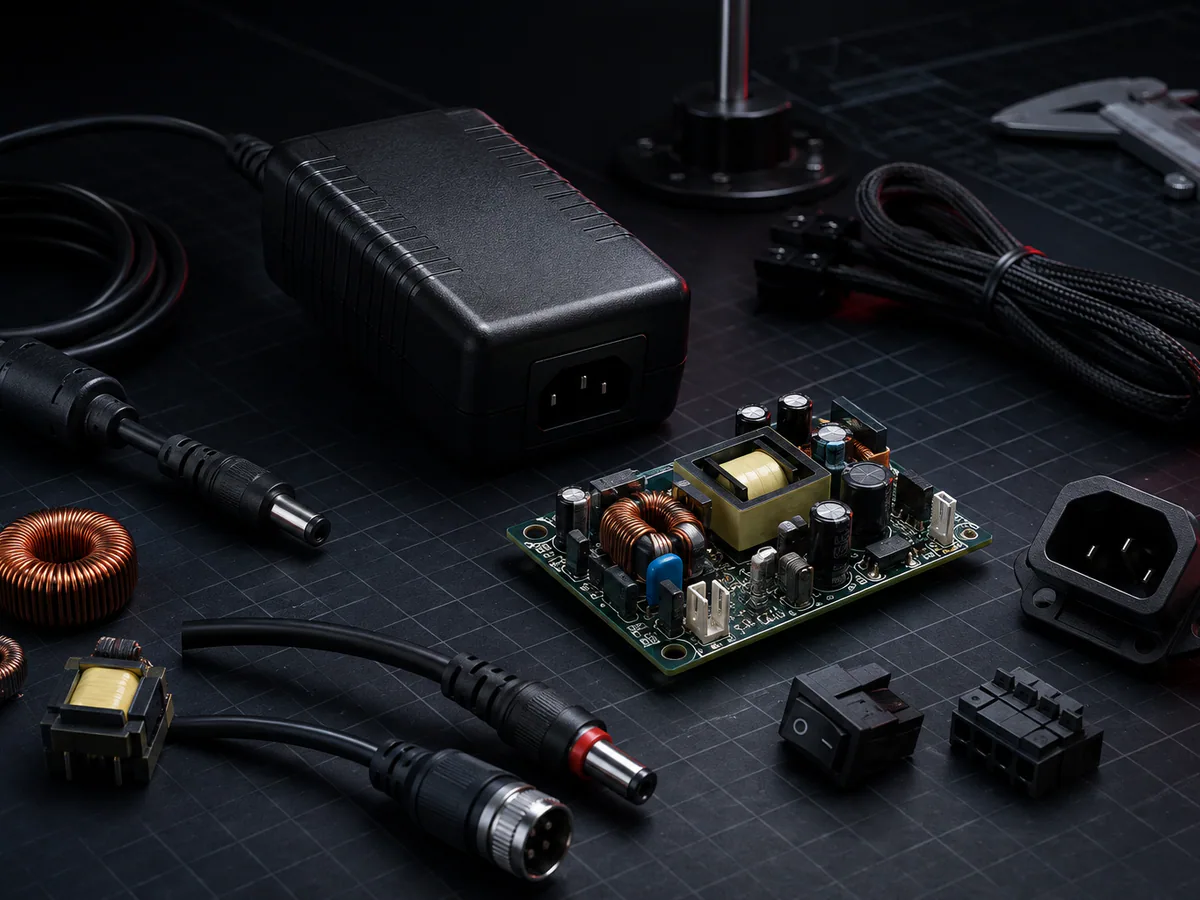
Illustrative electronics and power product composition with unbranded components and test equipment. Illustrative visual
02

Electronics & Power

Product Experience

  • Power supplies and adapters
  • Electro-mechanical assemblies and enclosures
  • Control, connector, and cable assemblies

What We Manage

  • Regional configuration requirements
  • Component and interface changes
  • Sample, test, and packaging coordination

Typical Risks

  • Wrong plug or marking
  • Component change without visibility
  • Thermal or fit questions
  • Incomplete test evidence

Related evidenceTechnical review · Change tracker · Test record

Related caseTechnical coordination

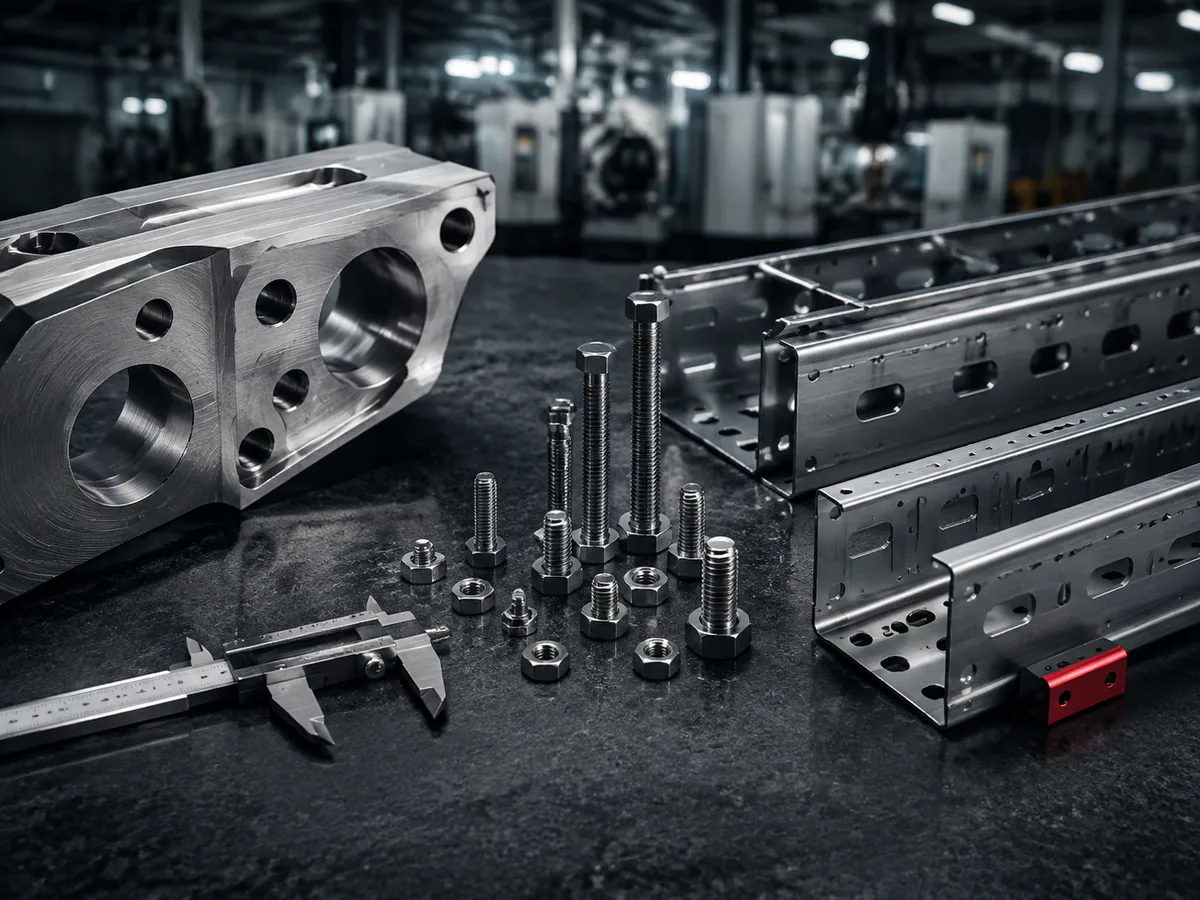
Illustrative industrial and mechanical component inspection scene with metal parts and drawings. Illustrative visual
03

Industrial & Mechanical

Product Experience

  • Fabricated metal and structural components
  • Machined, fastener, and mounting parts
  • Cable tray and custom hardware systems

What We Manage

  • Drawing and tolerance interpretation
  • Material, finish, and process route
  • Inspection checkpoints and packing protection

Typical Risks

  • Tolerance stack-up
  • Surface or hole defects
  • Material substitution
  • Unclear installation context

Related evidenceDrawing comments · Process questions · Dimensional record

Related caseProduction recovery

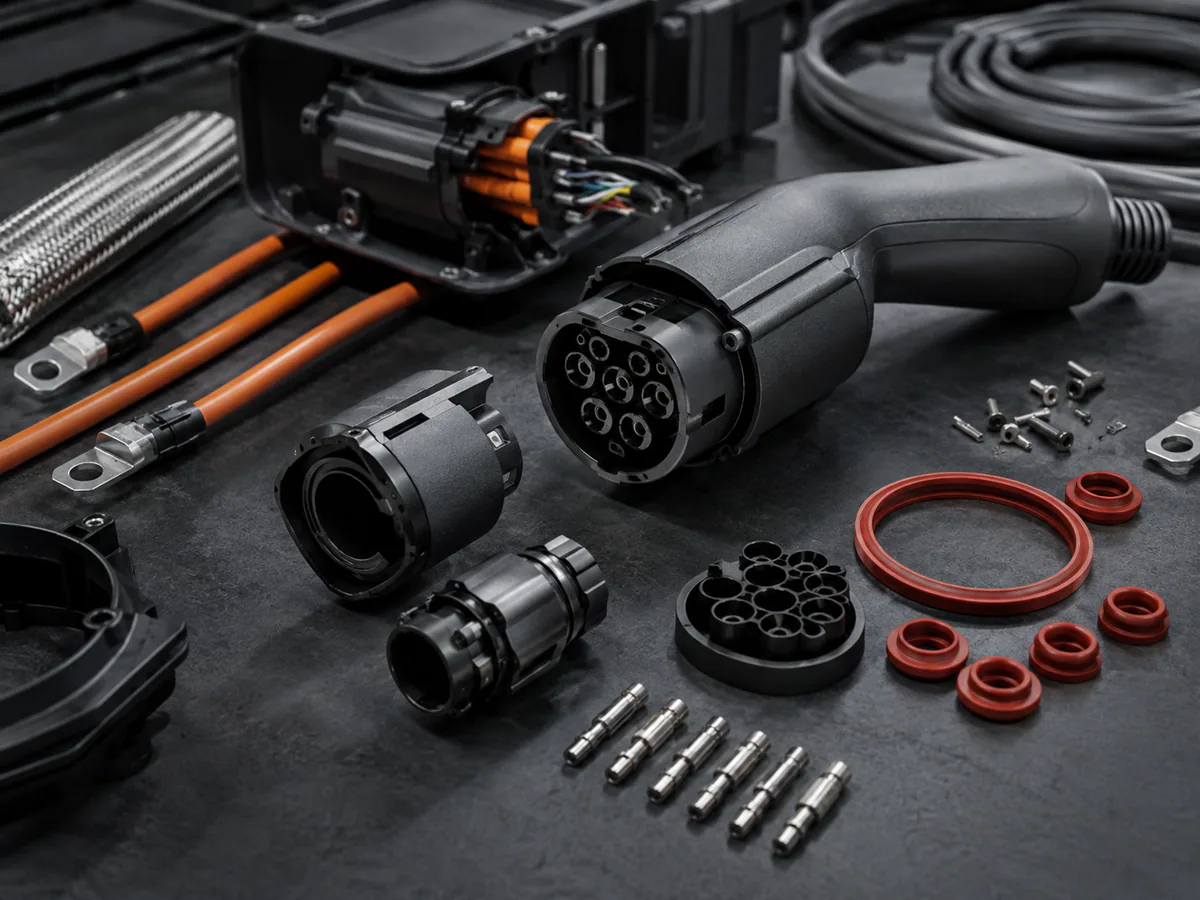
Illustrative new-energy component composition with an EV connector, power cabling, and assembly details. Illustrative visual
04

New Energy

Product Experience

  • Charging and high-current connection components
  • Power distribution and cable assemblies
  • Energy equipment enclosures and subassemblies

What We Manage

  • Interface and environmental requirements
  • Material and component traceability questions
  • Assembly, test, and change coordination

Typical Risks

  • Seal or fit inconsistency
  • Configuration drift
  • Test-criteria gaps
  • Late component changes

Related evidenceRequirement matrix · Sample review · Test coordination

Related caseTesting decision gate

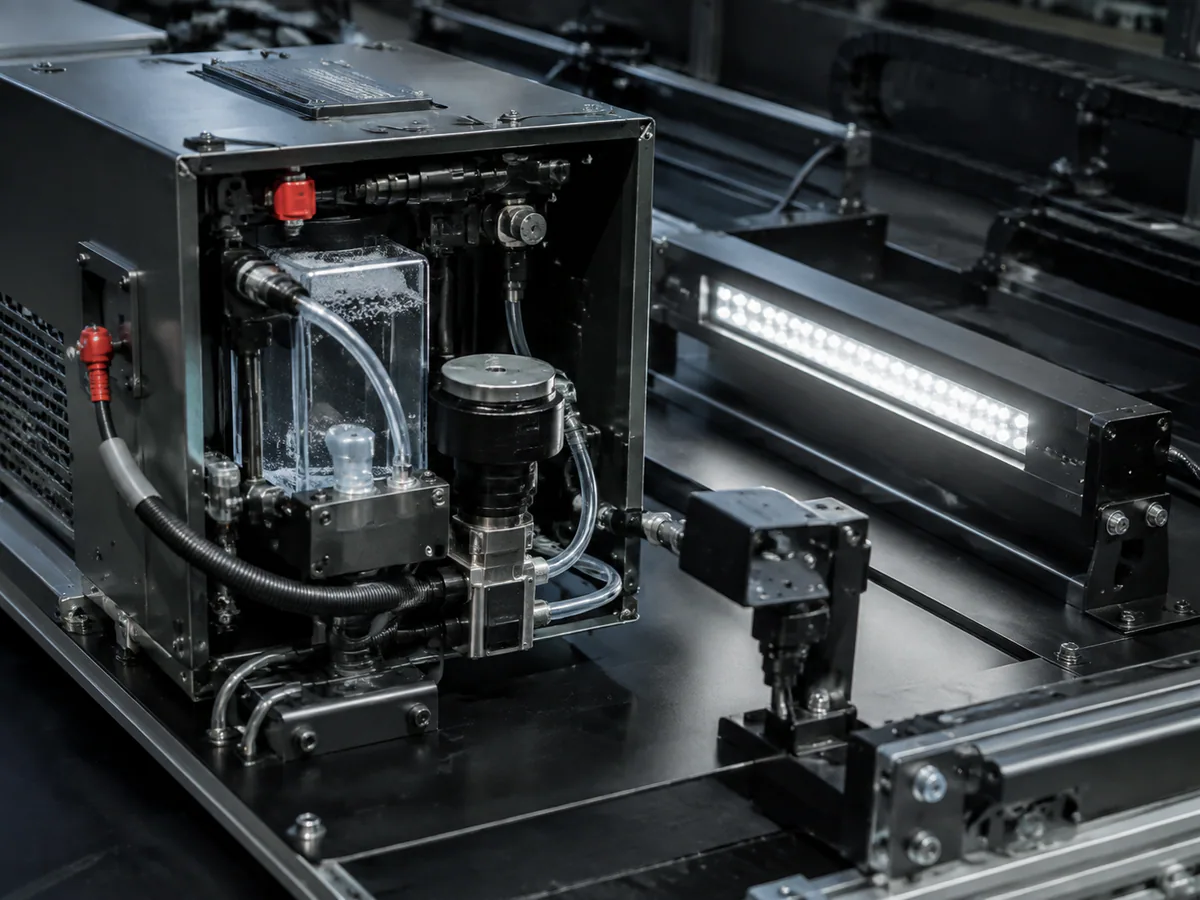
Illustrative specialized industrial equipment assembly with unbranded modules and controls. Illustrative visual
05

Specialized Equipment

Product Experience

  • Custom electro-mechanical equipment
  • LED, climate, and industrial subsystems
  • Low-volume or configuration-led assemblies

What We Manage

  • Requirement decomposition
  • Supplier and subsystem coordination
  • Prototype, test, and delivery-readiness decisions

Typical Risks

  • Ambiguous scope
  • Cross-supplier interface gaps
  • Prototype-to-production changes
  • Incomplete handoff evidence

Related evidenceScope map · Supplier matrix · Decision and risk log

Related caseCommercial judgment

Not limited to a product list

The requirement defines the control plan.

Our role is not to sell a fixed catalogue. We evaluate the requirement, identify the supplier and process capabilities that matter, and build the evidence path around the buyer’s real decision.

Discuss Your Product

Start with the decision

A different technical product?

Send the drawing, specification, reference sample, or application context. We will start by defining the capability and risk questions.